Harlem Renaissance
Josephine Baker
American-born French dancer, singer and actress (1906–1975)
Overview
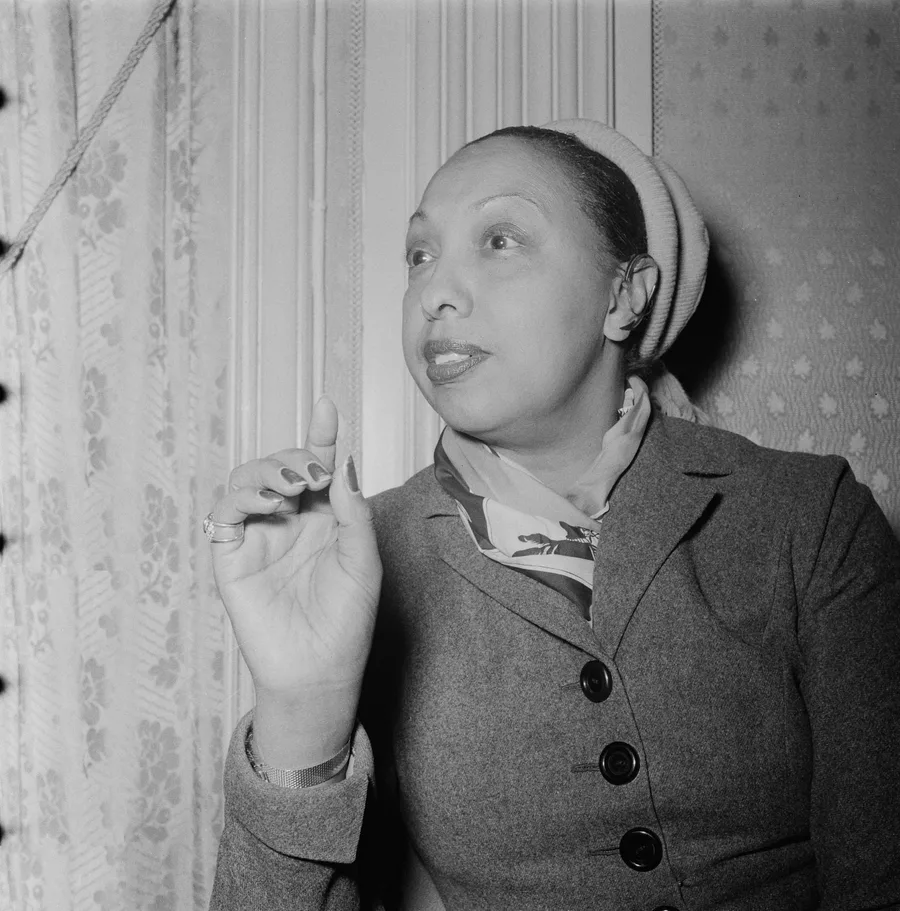
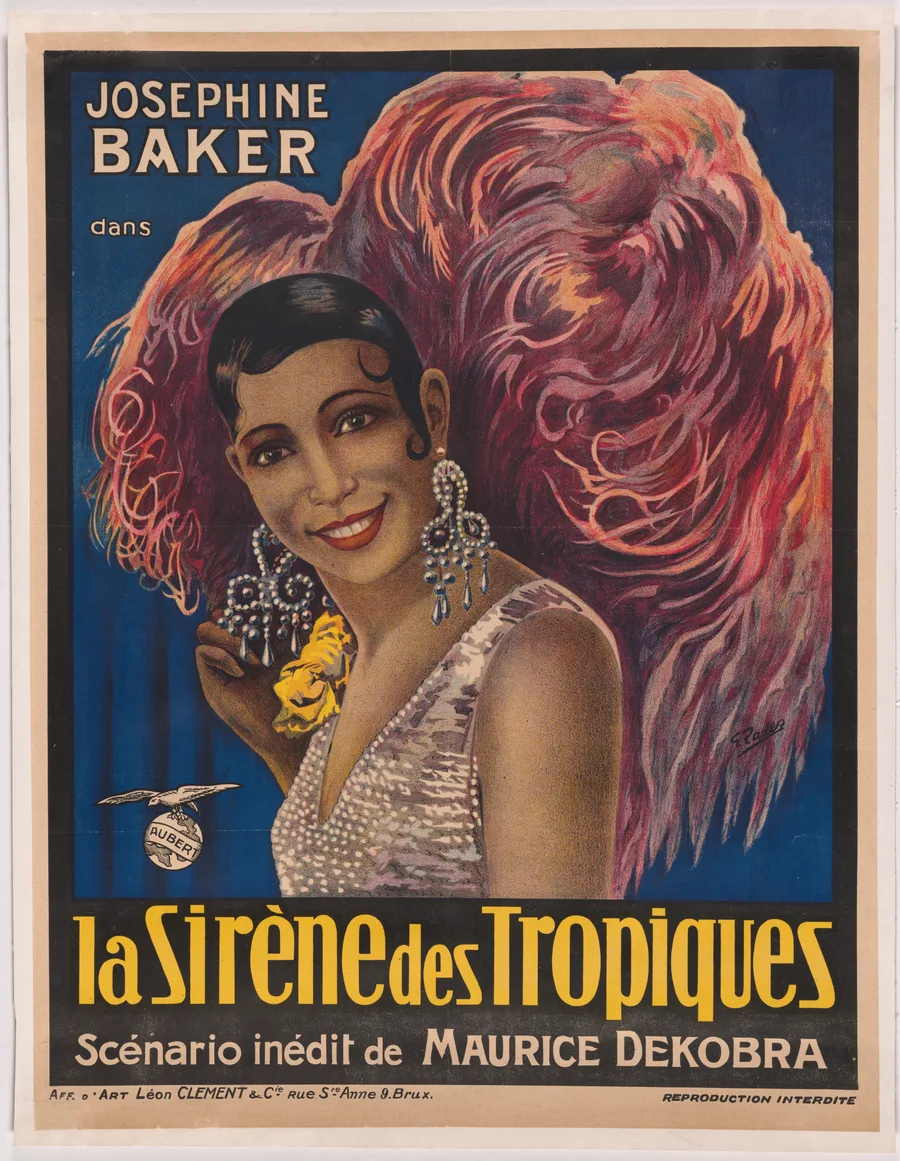
Josephine Baker, born Freda Josephine McDonald in St. Louis, Missouri, in 1906, became the first Black woman to star in a major motion picture — the 1927 French silent film Siren of the Tropics — and one of the most celebrated performers in Paris during the Jazz Age, headlining the Folies Bergère to sensational acclaim. Her 1927 performance in Un vent de folie made her costume, and her image, iconic symbols of the Roaring Twenties, and contemporary artists and intellectuals dubbed her the “Black Venus,” the “Bronze Venus,” and the “Creole Goddess” — international celebrity of a kind few Black American performers of her era achieved.
A Spy for the French Resistance
Baker renounced her U.S. citizenship and became a French national after marrying French industrialist Jean Lion in 1937, and during World War II she put her celebrity directly to use in the fight against fascism, working actively with the French Resistance as well as the British Secret Intelligence Service and the American Office of Strategic Services — espionage work whose full extent was not publicly confirmed until French government documents were declassified in 2020. For this wartime service, France awarded her the Resistance Medal and the Croix de Guerre, and General Charles de Gaulle named her a Knight of the Legion of Honour.
Offered Leadership of the Movement
Baker refused throughout her career to perform for segregated audiences in the United States, using her international stature to take a direct, personal stand against American racial segregation, and she became an active, documented contributor to the American civil rights movement — so much so that after Martin Luther King Jr.’s 1968 assassination, she was offered unofficial leadership of the movement itself, an offer she declined out of concern for her children’s welfare. She adopted twelve children of different ethnic and national backgrounds, whom she called her “Rainbow Tribe,” raising them in France as what she intended as a living demonstration that people of different races and origins could be one family.
Legacy
On November 30, 2021, Baker was inducted into the Panthéon in Paris, becoming the first Black woman ever to receive one of France’s highest honors; because her actual remains stay at Monaco Cemetery, a cenotaph was installed in her honor in the Panthéon crypt instead. That posthumous recognition, nearly a century after she first captivated Paris as a young performer from St. Louis, stands as France’s own final extension of the same principle Baker’s wartime resistance work and her segregation boycotts had already put into public practice.
Related
More in Arts, Literature, Civil Rights, Music, Military