Reconstruction to Jim Crow
Ida B. Wells
American journalist and civil rights activist (1862–1931)
This page discusses lynching and racial violence, which Ida B. Wells documented and campaigned against.
Overview
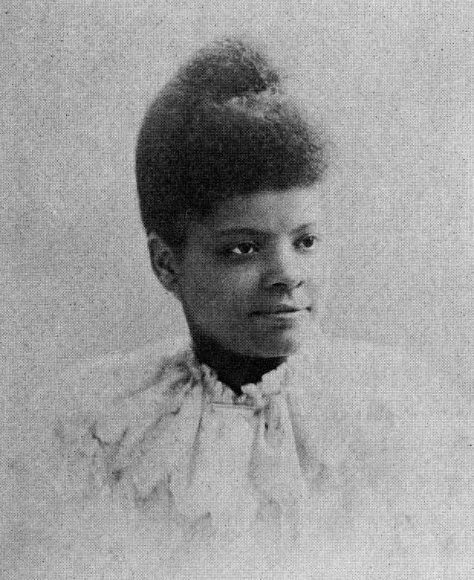
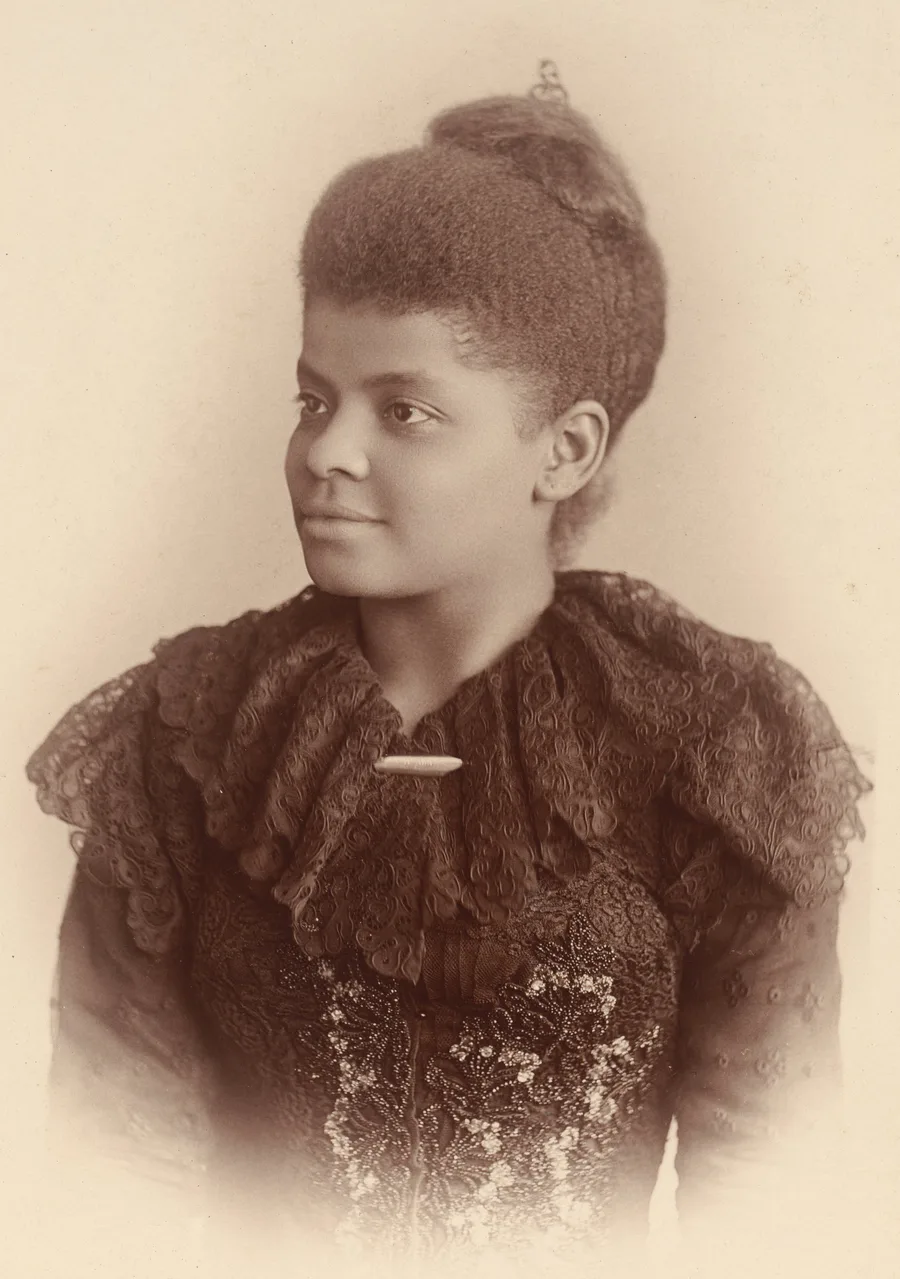
Ida Bell Wells-Barnett, born into slavery in 1862 in Holly Springs, Mississippi, and freed as an infant when Union troops captured the town, became one of the most consequential investigative journalists in American history and a founding figure of the NAACP. At just 16, after losing both parents and an infant sibling to a yellow fever epidemic, Wells took a teaching job and held her remaining siblings together with her grandmother’s help — an early demonstration of the same determination that would define her journalism career.
Documenting and Debunking the Lie Behind Lynching
Throughout the 1890s, Wells conducted rigorous, statistically grounded investigative journalism documenting lynching across the United States, publishing her findings in pamphlets including Southern Horrors: Lynch Law in All Its Phases and The Red Record. Her research systematically debunked the pervasive white justification that lynching victims were guilty of crimes, demonstrating instead that lynching functioned as organized racial terrorism used specifically to eliminate Black economic and political competition — a sociological analysis of racial violence decades ahead of its time. Her reporting drew direct, violent retaliation: a white mob destroyed her Memphis newspaper office and printing presses, forcing her to relocate to Chicago rather than silencing her work.
Outspoken Even Within Her Own Movements
Wells continued her activism after relocating to Chicago, marrying attorney Ferdinand L. Barnett in 1895 and raising a family while remaining a leading voice for Black civil rights and women’s suffrage, founding several women’s organizations and touring nationally and internationally as a lecturer. Wells was known for speaking her convictions plainly regardless of political cost, which drew regular public disapproval — including, at times, criticism from fellow leaders within the civil rights and suffrage movements she helped build, a documented friction this site notes rather than smooths over.
Legacy
Wells died in Chicago on March 25, 1931; in 2020, nearly ninety years later, she was posthumously awarded a Pulitzer Prize special citation “for her outstanding and courageous reporting on the horrific and vicious violence against African Americans during the era of lynching.” Her investigative methodology — rigorous documentation used to dismantle a socially accepted lie protecting racial violence — established a template for civil rights journalism that outlived her, and her work remains the foundational historical record documenting the true scale and function of lynching in the post-Reconstruction United States.
Related
More in Literature, Civil Rights